
Home Programs Schedule Facility Instructor Members Free Trial Class
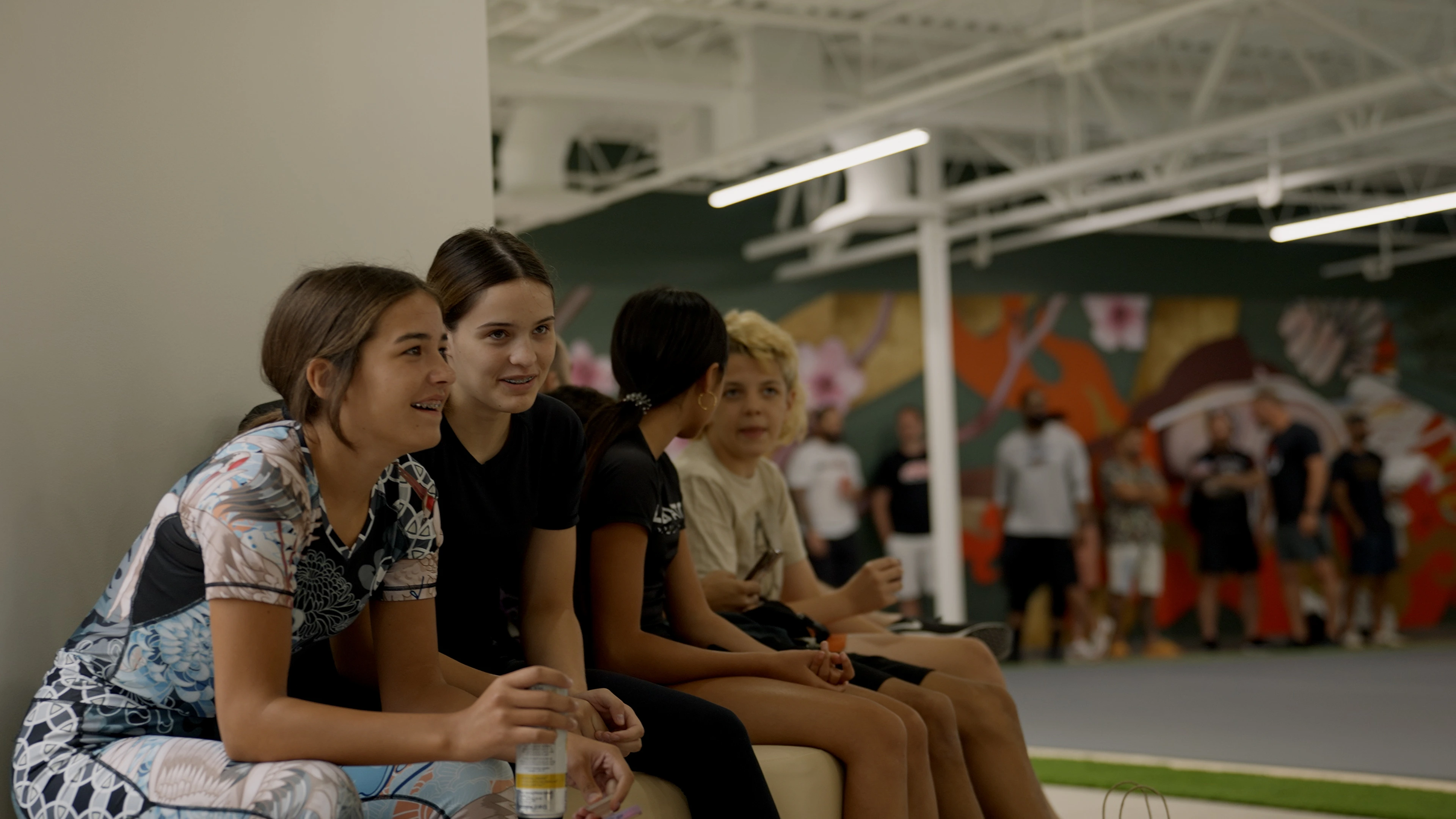
Teens training Brazilian Jiu-Jitsu at Method Jiu-Jitsu in Tulsa
Home  /  Programs  /  BJJ for Teens

BJJ FOR TEENS

Screen time builds nothing. BJJ builds character, discipline, and the quiet confidence that changes how a teenager walks into a room — and stays with them for life.

"

My son is getting bullied and I don't know how to help him. He doesn't want to talk about it, and I can see it's affecting everything.

"

My daughter quit soccer and now she's just on her phone. I want her to find something that actually challenges her and builds confidence.

"

I worry about sending my kid into a martial arts class. I don't want them getting hurt or learning to be aggressive.

YOUR INSTINCTS ARE
RIGHT ON TARGET.

What you're describing — the drift, the passivity, the vulnerability to bullying — these are symptoms of a teenager who hasn't yet found something that demands their full self. BJJ does exactly that. It can't be half-done. The mat doesn't allow it.

At Method, we've seen teens come through the door withdrawn and leave months later with the kind of presence and self-assurance that no team sport or extracurricular activity could produce. It's not magic. It's the accumulated result of showing up, getting uncomfortable, and learning to stay calm when things are hard.

What BJJ Builds in Teenagers

THREE THINGS TEAMS SPORTS CAN'T TEACH

01

INDIVIDUAL ACCOUNTABILITY

In team sports, a bad day can be hidden behind teammates. On the mat, there's nowhere to disappear. Every session is a one-on-one experience with challenge. When a teen improves, they know it was their own effort. When they fail, they learn to process it constructively instead of blaming others. This builds the honest self-awareness that most teenagers desperately need.

02

MENTORSHIP AND EARNED RESPECT

BJJ has a belt system that rewards genuine achievement. You cannot fake a stripe or a promotion — it's earned in front of people who know exactly where you are. Coaches at Method take an active mentorship role with teen students, investing in their development as athletes and as people. Many of our teen members cite their coaches as among the most influential adults in their lives.

03

MENTAL TOUGHNESS UNDER PRESSURE

Sparring teaches teenagers how to stay calm when they're uncomfortable, how to think clearly when the situation is difficult, and how to manage panic and frustration in real time. These are skills that translate to test anxiety, social pressure, job interviews, and every other high-stakes moment a teenager faces. You can't lecture someone into mental toughness. You train it.

WHAT A TYPICAL TEEN CLASS LOOKS LIKE

Here's what your teenager will actually experience when they walk in for the first time — and why it works.

STRUCTURED FROM MINUTE ONE

Teen class starts with a group warm-up that gets everyone moving and focused. Teens are naturally distracted and easily disengaged — the physical opening routine is designed to shift their brain out of whatever they were doing before and into the present. Within a few minutes, the chatting stops and the work begins. Students quickly learn to respect the structure because the structure produces results.

DRILLING WITH INTENTION

The coach demonstrates a technique — something specific, applicable, and interesting — and students drill it with partners. The drilling phase is where teens start to internalize that improvement requires repetition, attention, and patience. These are not qualities that come naturally to most 14-year-olds, but BJJ creates the conditions where they develop organically, because the feedback is immediate and honest.

GUIDED SPARRING — CHALLENGE WITH SAFETY

As students progress, they move into supervised sparring rounds — the part of class that teens almost universally love most. Rolling with a partner in a real, live exchange is completely unlike anything they'll experience in school or at home. It's physical, intense, and deeply engaging. Coaches manage intensity, pair partners thoughtfully by size and experience, and intervene immediately if a round escalates beyond appropriate levels.

THE CULTURE THAT CARRIES OVER

At Method, we hold teen students to the same standards of respect and sportsmanship as adult members. They bow when they enter and leave the mat. They shake hands after every round. They tap out with honesty and accept taps with grace. These aren't formalities — they're habits that transfer. Parents regularly tell us that something shifts in how their teenager carries themselves at home within the first 60 days.

WHAT PARENTS ARE SAYING

"My son was being bullied at school and I didn't know what to do. Six months into BJJ, he walks differently. He talks to adults like a peer. The bullying stopped — and I honestly think it's because he stopped looking like a target."

Michael P., parent
Son enrolled at 14

"She quit every sport she tried. I assumed BJJ would be another two-month phase. That was a year and a half ago. She trains four times a week and just won her first tournament. I've never seen her commit to anything like this."

Sandra K., parent
Daughter enrolled at 15

"The coach texts me updates. He called once just to say my kid had a breakthrough day. You don't get that from a high school coach with 30 athletes. The mentorship here is real."

David W., parent
Son enrolled at 13

QUESTIONS FROM PARENTS

Our teen program is designed for students aged 13 through 17. Teens train in a dedicated program with peers their own age, separate from the adult classes. This creates a more age-appropriate environment where teens can challenge each other, build friendships, and develop at a pace that matches their stage of physical and mental development.

Yes. BJJ is one of the safest martial arts available for teens. There is no striking, so there is no risk of head injuries from punches or kicks. Techniques are applied with control, and students tap out to signal when they need a technique released. Our coaches are trained to monitor intensity levels appropriate for teenagers, and sparring is always supervised and structured. Injuries happen in any sport, but a well-run BJJ environment is safer than football, basketball, or most contact team sports.

Yes, eventually. Sparring (called rolling in BJJ) is an essential part of the learning process, but it's introduced progressively. New teen students spend their first weeks learning techniques and drilling before moving into guided positional sparring. Full rolling is always supervised by coaches who manage intensity, match up partners thoughtfully, and step in immediately if a round gets too heated. The goal is challenge with control — not competition pressure.

BJJ addresses bullying from two directions. First, it builds the physical capability to protect oneself if a situation escalates. Second — and more importantly — it builds the quiet confidence that makes a teen far less likely to be targeted in the first place. Bullies look for easy targets. A teenager who carries themselves with grounded confidence, who maintains eye contact, who doesn't shrink, is not an easy target. BJJ changes how teenagers feel about themselves, and that change is visible. Most of our teen members report that bullying either stopped or never became an issue once they started training.

Yes. There are robust teen BJJ competition divisions at local, state, and national levels, organized by age group and experience level. Competition is always optional, and many teens train purely for the personal development benefits without ever competing. For those who want to compete, our coaches actively prepare students with additional drilling, strategy work, and competition simulations. Competing teaches teenagers how to manage nerves, perform under pressure, and win and lose with integrity.

We offer teen classes at times designed to work around school schedules, including late afternoons and evenings on weekdays. Most teen members train two to three times per week, which provides meaningful development without overwhelming a student's academic schedule. Many parents report that BJJ actually improves their teen's focus and time management — having structured commitments teaches teens to organize their day rather than drift through it.

GIVE THEM SOMETHING REAL

Their first class is completely free. Bring them in, let them try it, and watch what happens. No commitment, no pressure — just one hour that might change everything.

Book a Free Class

Join 500+ members training at Tulsa's premier BJJ gym — 5101 S. Sheridan Rd, Tulsa, OK 74145