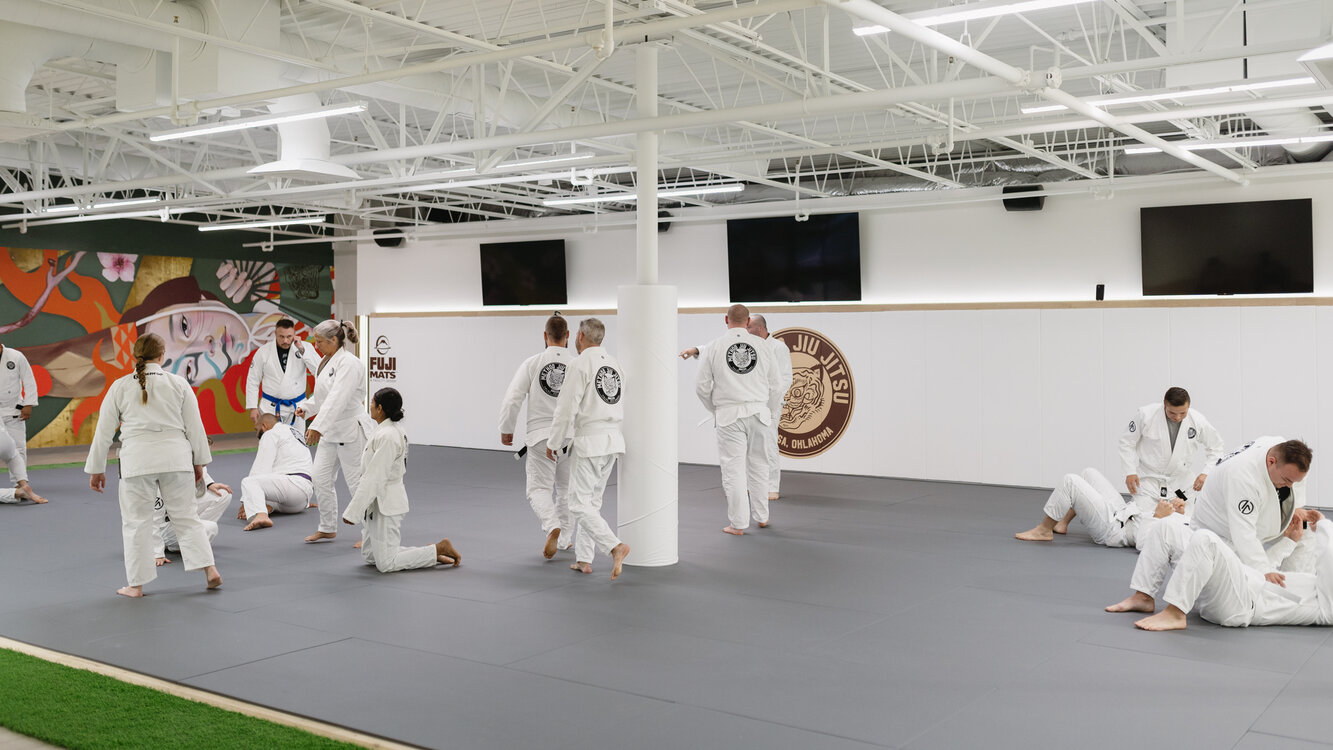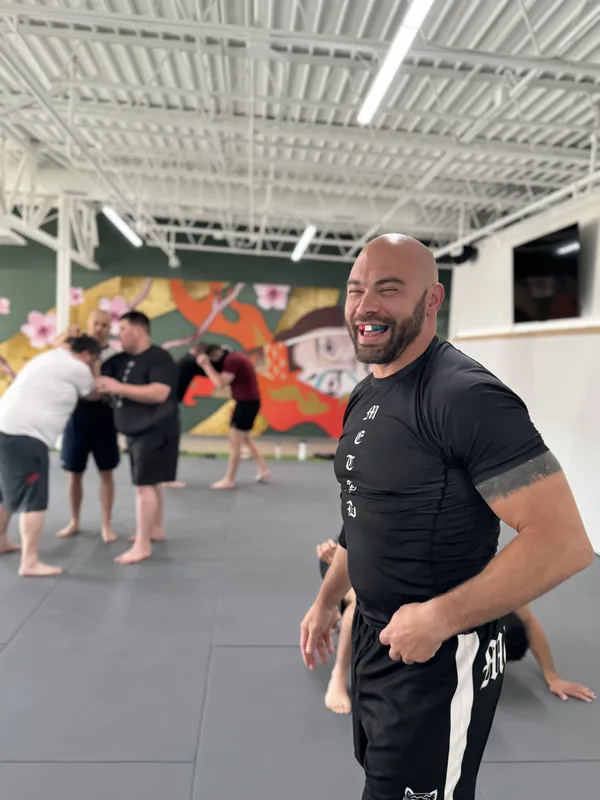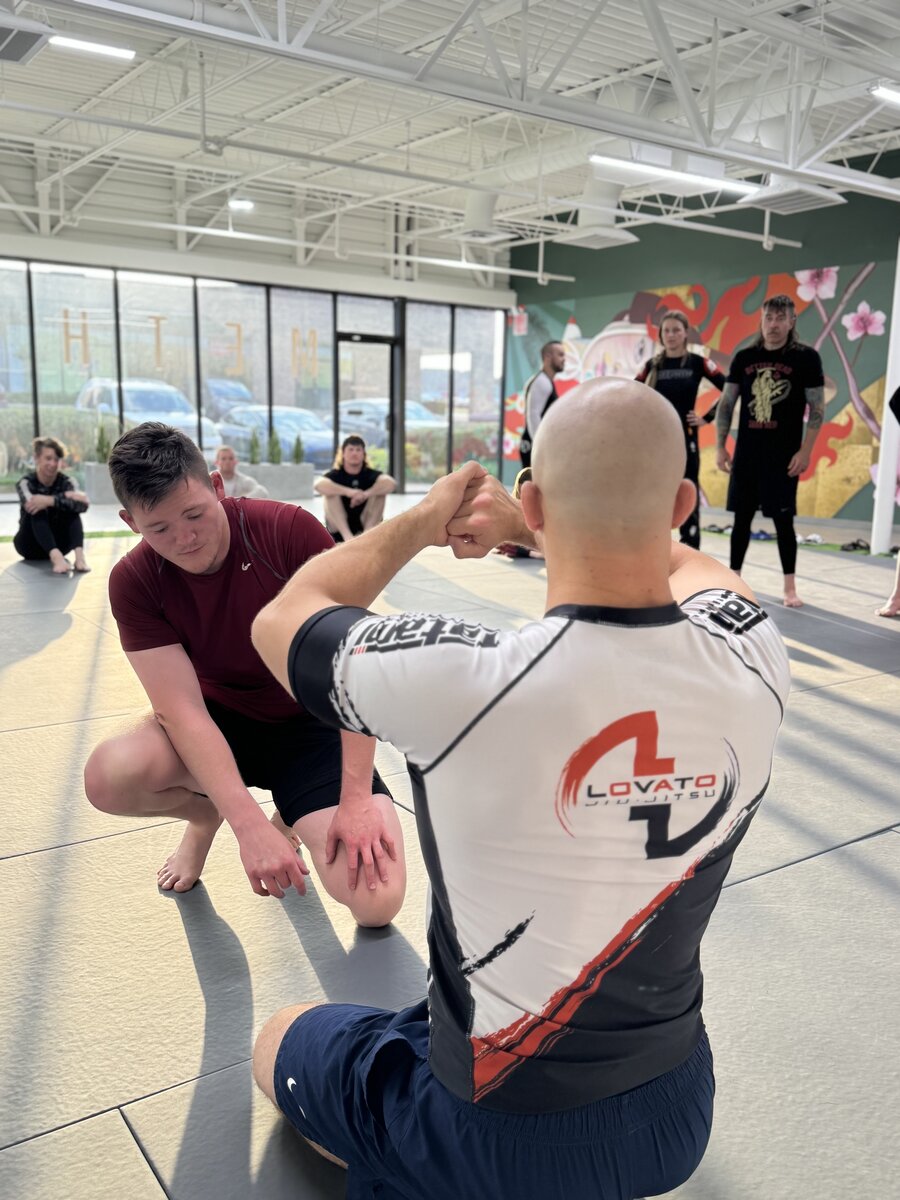
A good no gi class can look busy from the outside. Partners are changing angles, hand fighting, working takedown entries, and moving through a sequence over and over. What is easy to miss is that the repetitions are not empty. Purposeful drilling is where a movement stops being something you can explain and starts becoming something you can use.
That matters even more in no gi jiu jitsu. Without sleeves and collars to slow an exchange down, you have less time to think through every step. You need reliable reactions to an underhook, a frame, a level change, or a scramble. The answer is not to roll harder every night. It is to drill with enough intention that good decisions are available when the pace picks up.
At Method Jiu Jitsu, drilling is a major part of how we help students build a practical game. Whether you are brand new or already comfortable in live rounds, the goal is the same: make the next correct movement easier to find.
Drilling Gives Technique a Place to Live
Watching a technique once is useful, but it is only the first step. You may understand where your hands should go or which direction your hips should turn. Then you try it on a moving person and discover that understanding is different from timing.
Drilling fills that gap. Repeating a movement with a cooperative partner lets you notice details that are difficult to see during a fast round. Maybe your head is too high on a single leg. Maybe your elbow has room to flare during an underhook. Maybe you are trying to pass a guard before you have controlled the hips. Those small corrections are what make a technique work against resistance.
This is why a well structured class has a clear progression. You learn the movement, repeat it with an appropriate level of cooperation, then add a response from your partner. By the time you reach positional work or live rounds, you have a map of the exchange instead of a list of disconnected moves.
If you are still getting familiar with how a class is organized, our guide to what BJJ classes in Tulsa actually look like explains how instruction, drilling, and live training work together.
No Gi Drilling Is About Connections
No gi is not simply gi jiu jitsu without the uniform. The art shares the same major positions, but the connections between those positions feel different. Clothing grips are gone, and body position, head position, wrist control, and inside control become more important.
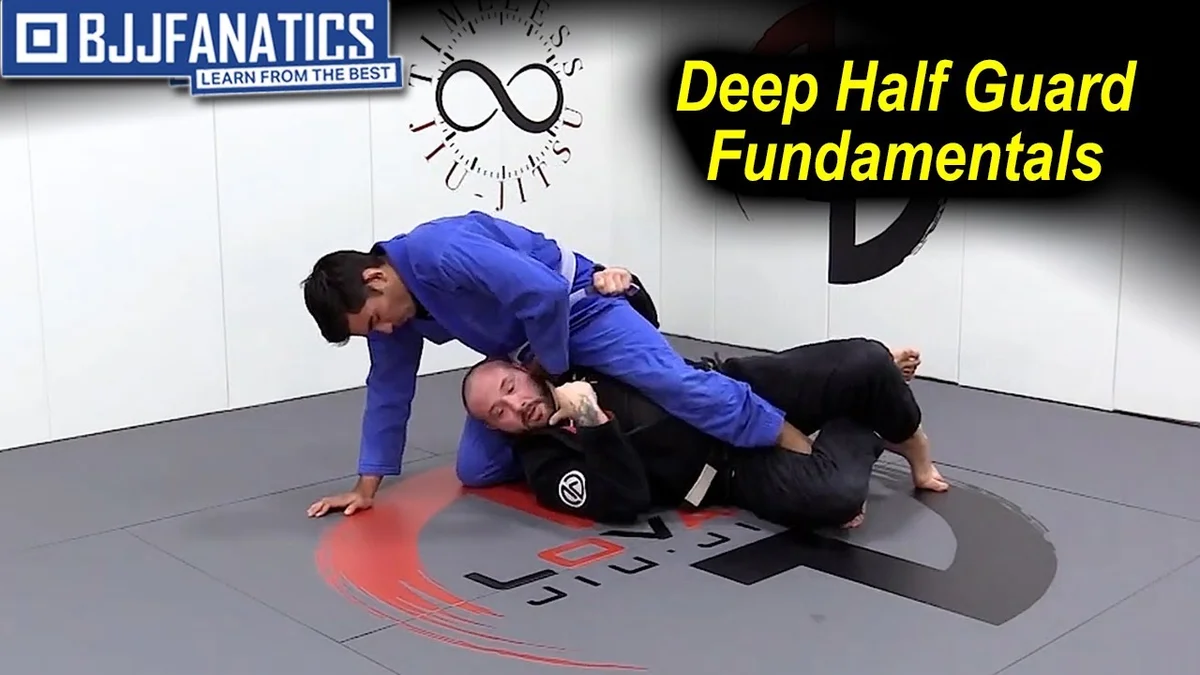
A productive no gi drill usually focuses on a connection rather than a single finish. For example, a partner might practice moving from a collar tie to an underhook, then to a body lock, then to a takedown. Another round might start in half guard, fight for the underhook, and connect that win to a guard pass or a back take. The exact technique can change, but the idea stays constant: each step should give you a clear reason for the next step.
That connected approach helps students avoid a common trap. They collect techniques but do not know when to use them. Instead of trying to memorize ten separate answers, you learn what an opponent's reaction is telling you. If they pull away from a collar tie, there may be an opening for a level change. If they frame hard while you pass, you may need to switch your angle instead of forcing forward.
For a closer look at the tools that show up in these sequences, read our breakdown of essential no gi grappling techniques. It covers the takedowns, passing concepts, and submissions that give no gi drilling direction.
Start Slow Enough to Learn
Many students believe drilling only counts when it feels exhausting. There is a place for conditioning, but trying to perform a new movement at full speed before you understand it often teaches the wrong habit. You may get through the repetition, yet rely on strength, speed, or an awkward angle that will not hold up against a resisting partner.
Start at a pace where both partners can identify the details. The person performing the technique should be able to say what they are controlling and why. The partner should give a realistic reaction without turning every repetition into a competition. Once the movement is clean, increase the pace or add specific resistance.
That does not mean drilling is passive. A good partner makes you earn the position in a controlled way. They give you a frame to clear, a wrist to fight for, or a realistic attempt to recover guard. The resistance should be enough to reveal whether the movement is working, not so much that nobody can learn from the exchange.
This is one reason BJJ etiquette matters. Taking care of training partners and matching the agreed intensity is not separate from technical progress. It is how everyone gets better without turning normal class time into a fight.
Use Positional Rounds to Test the Drill
The bridge between cooperative drilling and open sparring is positional training. You begin from a specific situation, set a simple goal, and reset when the exchange ends. It is one of the best ways to find out whether a technique is starting to become your own.
Suppose the class has drilled a front headlock sequence. A positional round might start with one student holding the front headlock and the other working to clear the position. The top player is looking to maintain control, go behind, or attack. The bottom player is looking to recover posture and create space. There are fewer variables than a full round, which means more opportunities to see the same problem and make better choices.
For newer students, positional rounds reduce the feeling of being overwhelmed. You do not need an answer for every position in jiu jitsu yet. You only need to work the problem in front of you. For experienced students, the constraints reveal details that are easy to ignore when a full round turns into a scramble.
Safety still comes first. Learn the tap, respect it immediately, and choose partners who can help you work at the right pace. Our overview of how BJJ training stays safe covers the habits that make challenging training sustainable.
Train Both Sides and Both Reactions
Everyone has a preferred stance, direction, and side of the body. That is normal. It is also why drilling only your favorite side can slow your development. An opponent will not always give you the angle you prefer, and a good training partner will quickly recognize a pattern you never address.
Build time into your drilling for both sides. If you are practicing a knee cut pass, perform the sequence right and left. If you are learning a single leg, enter on both legs. The awkward side will feel slower at first, but it improves your balance, awareness, and ability to adapt when a round does not follow your plan.
It also helps to practice both sides of the exchange. Do not only drill the takedown, drill the defense and recovery. Do not only drill the guard pass, drill the guard retention response. Learning what your partner needs to do makes your offense sharper because you recognize their escape attempt sooner.
Gi training can reinforce this kind of awareness. The pace and grips are different, but the positional principles transfer. Our gi and no gi comparison explains how training both formats can build a more complete understanding of control, timing, and movement.
Make Drilling Part of Your Weekly Plan
The best drilling happens consistently, not just when a technique feels exciting. A simple plan is enough. Attend class regularly, arrive ready to focus, and pick one detail from each session to carry into your next round. It might be keeping your head position on a takedown, winning the inside space before passing, or slowing down long enough to establish control.
You can also ask a training partner to give you a defined look during an open mat or before class. Keep it specific. Rather than saying, "Let us work no gi," ask to begin from half guard and work the underhook battle for a few minutes. Specific rounds create more useful repetitions than vague practice.
Students who want a guided starting point can explore our beginner BJJ program. The program focuses on the foundational movements and positions that make drilling productive from your first weeks on the mat. Students interested in testing their skills under a higher level of structure can also see how our competition program develops game plans and training habits over time.
Better Partners Create Better Training
A strong room is built by people who are willing to help each other improve. The best training partners can work hard without making every repetition personal. They know when to offer realistic resistance, when to slow down, and when to share a detail that helped them solve the same problem.
That kind of culture is especially valuable in no gi, where exchanges can get fast quickly. When both people treat drilling as a shared project, you can train at a challenging pace while still leaving room to learn. You get more quality repetitions, fewer reckless collisions, and more confidence trying a technique that is not yet polished.
If you are looking for no gi jiu jitsu classes in Tulsa, come train with us. Check the current class schedule or book a free trial class at Method Jiu Jitsu. Bring a willingness to learn, and we will help you turn good reps into useful skill.