Once you understand what no-gi jiu-jitsu is and have taken a few classes, the next question is usually the same: what should I actually be training? No-gi rewards a different technical toolkit than the gi, and students who train it without adjusting their approach often end up stuck relying on grips and slow positional grinding that simply is not there anymore.
This post breaks down the specific techniques and training concepts that build a real no-gi game — the takedowns, passes, and submissions that work when there is no collar to grab and no sleeve to control. If you are building a training plan around our no-gi jiu-jitsu program, these are the pieces to prioritize.
Takedowns That Work Without a Gi
Gi takedowns often rely on grip-heavy setups: collar drags, sleeve control, lapel trips. None of that exists in no-gi, so your entries have to come from body position and underhooks instead.
Single leg entries. The single leg is the backbone of no-gi takedown offense. Shoot low, secure the leg with both arms wrapped around the knee, and drive your head into their hip to off-balance them before finishing. Because there is no gi fabric to control the hips, your head position and leg pressure do all the work.
Body locks. A body lock — wrapping both arms around your opponent's torso from a tie-up — is one of the most reliable ways to control distance and set up a takedown in no-gi. From here you can run the pipe, trip them off balance, or simply walk them to the mat using your hips.
Snap-downs from collar ties. When someone shoots in or overcommits forward, a collar tie combined with a downward snap can put them flat on their face, giving you an immediate path to their back. This technique barely exists in gi training because sleeve and collar grips change the mechanics entirely — it is a distinctly no-gi tool.
The common thread across all three: control comes from your arms wrapped around the body, not from fabric. Drill these with a partner slowly before adding resistance, and pay attention to head position — where your head goes usually determines whether the takedown succeeds.
Guard Passing Without Grips
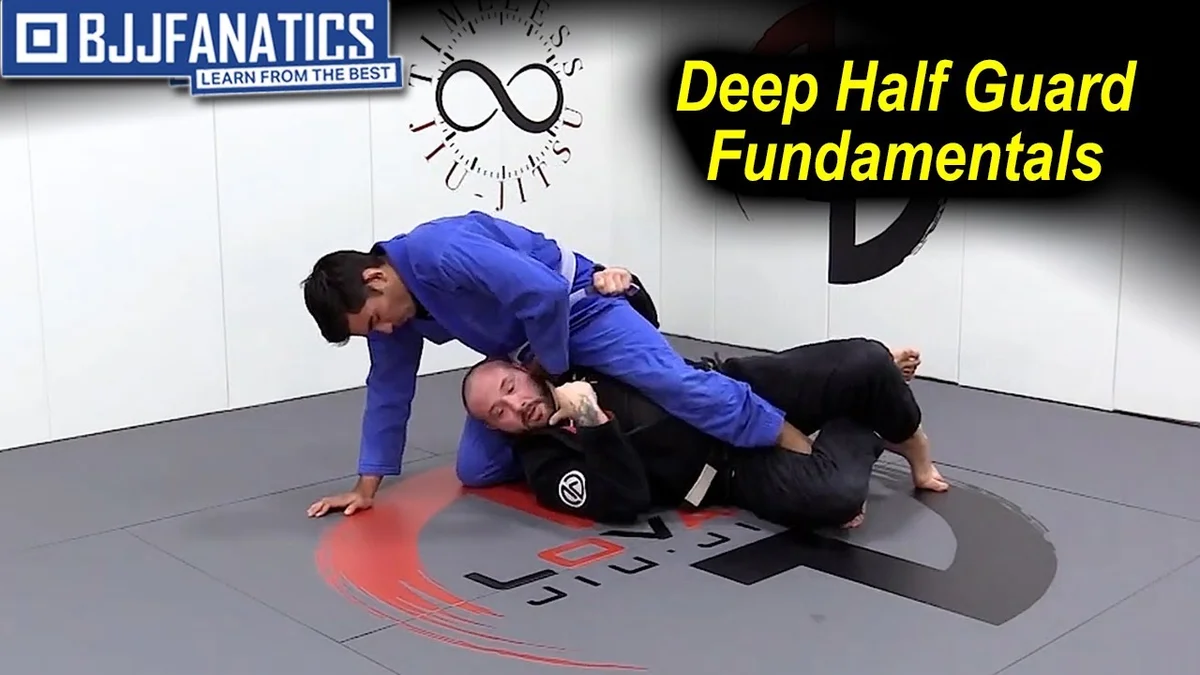
Passing guard in no-gi means abandoning a lot of gi-based passing logic. You cannot control someone's pants leg or grab a far-side collar to flatten them out. Instead, effective no-gi passing revolves around pressure, angles, and hand-fighting.
The knee slice (or knee cut) pass. Drive one knee across your opponent's thigh while controlling their same-side collar tie or shoulder, then slide your hip through as you free your trapped leg. This pass works well in no-gi because it relies on your own body weight and shoulder pressure rather than grips on their clothing.
Long step / stack passes. Against an open guard, stepping over one of their legs while driving your weight forward — sometimes stacking their hips over their own shoulders — takes away their ability to re-angle. Without gi grips to slow your hips down, these passes tend to move faster than their gi equivalents.
Underhooks as your primary tool. In gi passing, you often fight for a specific grip. In no-gi, the underhook is king. Whoever secures the underhook usually dictates the pace of the exchange, because it removes the other person's ability to frame or create distance. Make underhook control a habit in every passing sequence you drill.
If you are newer to guard concepts generally, our gi-vs-no-gi comparison guide breaks down how passing mechanics shift between the two styles, which is useful context before you drill these live.
Submissions That Thrive in No-Gi
Certain submissions become dramatically more available once the gi comes off, because there is less friction slowing your entries and more skin-on-skin contact for tight finishes.
Guillotines. Without a collar to defend with, guillotines from the front headlock, in scrambles, and even off failed takedowns become a constant threat in no-gi. Arm-in and high-elbow variations both work well — the key is chin control and squeezing with your entire upper body, not just your arms.
D'Arce and anaconda chokes. These front-headlock submissions are almost exclusively no-gi tools. They rely on wrapping the arm and neck together and finishing with a figure-four grip, which is difficult to set up when a gi jacket gets in the way of the arm wrap.
Leg locks. Straight ankle locks, kneebars, and heel hooks are a much bigger part of the no-gi meta than the gi meta, largely because leg entanglements like 50/50 and single-leg-X are easier to control without pant grips slowing the opponent's escape. If leg locks are new to you, start with straight ankle locks and learn proper heel hook safety before progressing — these submissions carry real injury risk without careful, controlled drilling.
Our BJJ submissions guide covers the mechanics of these finishes in more depth if you want a technical breakdown before drilling them live.
Training Concepts Unique to No-Gi
Beyond individual techniques, there are a handful of training concepts that separate students who develop a genuinely effective no-gi game from those who just show up.
Scramble awareness. Because there are no grips to slow transitions down, positions change faster in no-gi. Training scramble awareness — staying calm and looking for the next control point the instant a position breaks down — matters more here than almost anywhere else in grappling.
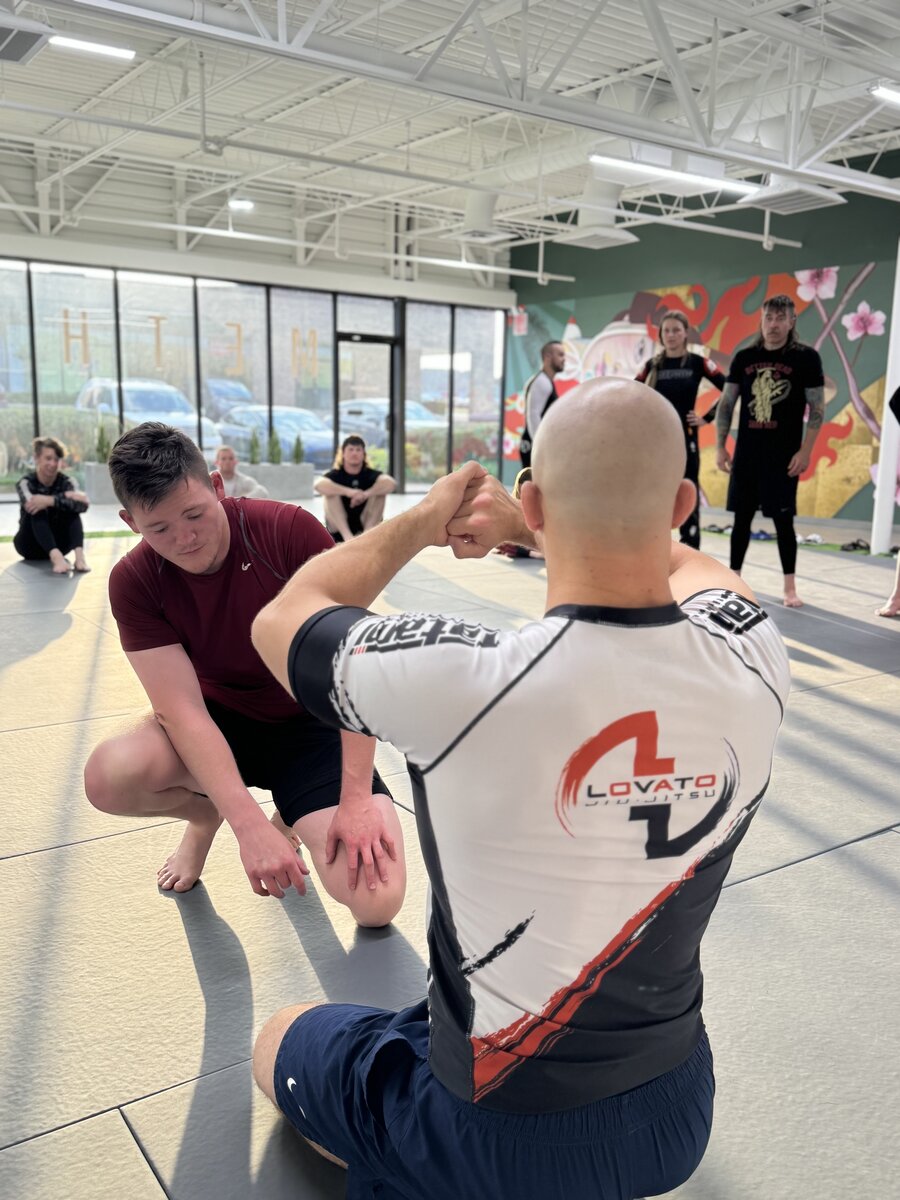
Wrist and collar-tie control. Without sleeves and collars to grab, wrist control and collar ties become your primary connection points. Spend dedicated drilling time just on hand-fighting: fighting for wrist control, breaking grips, and re-establishing collar ties. It feels unglamorous, but it is foundational.
Conditioning for pace. No-gi rounds move quicker and rest less. Building the cardio to sustain five-minute rounds at a higher pace is part of the technical picture, not separate from it. Gassing out halfway through a round means abandoning technique for survival — which defeats the purpose of training it in the first place.
How to Develop a No-Gi Game at Method
If you are building your no-gi toolkit from scratch, we recommend this order of priorities:
- Get comfortable with basic takedown entries and defense before worrying about submissions.
- Build one reliable guard pass around the underhook before trying to learn five different passes.
- Pick two or three go-to submissions from the front headlock and leg entanglement families, and drill them until they are automatic.
- Layer in live positional rounds so the techniques show up under pressure, not just in isolated drilling.
This is exactly the structure we follow in our no-gi jiu-jitsu program at Method. Classes move through connected technique sequences — a takedown into a pass into a submission chain — so you are never learning moves in a vacuum. If you are brand new to grappling entirely, our beginner program will get your fundamentals in place before you dive into the faster pace of no-gi.
Train No-Gi in South Tulsa
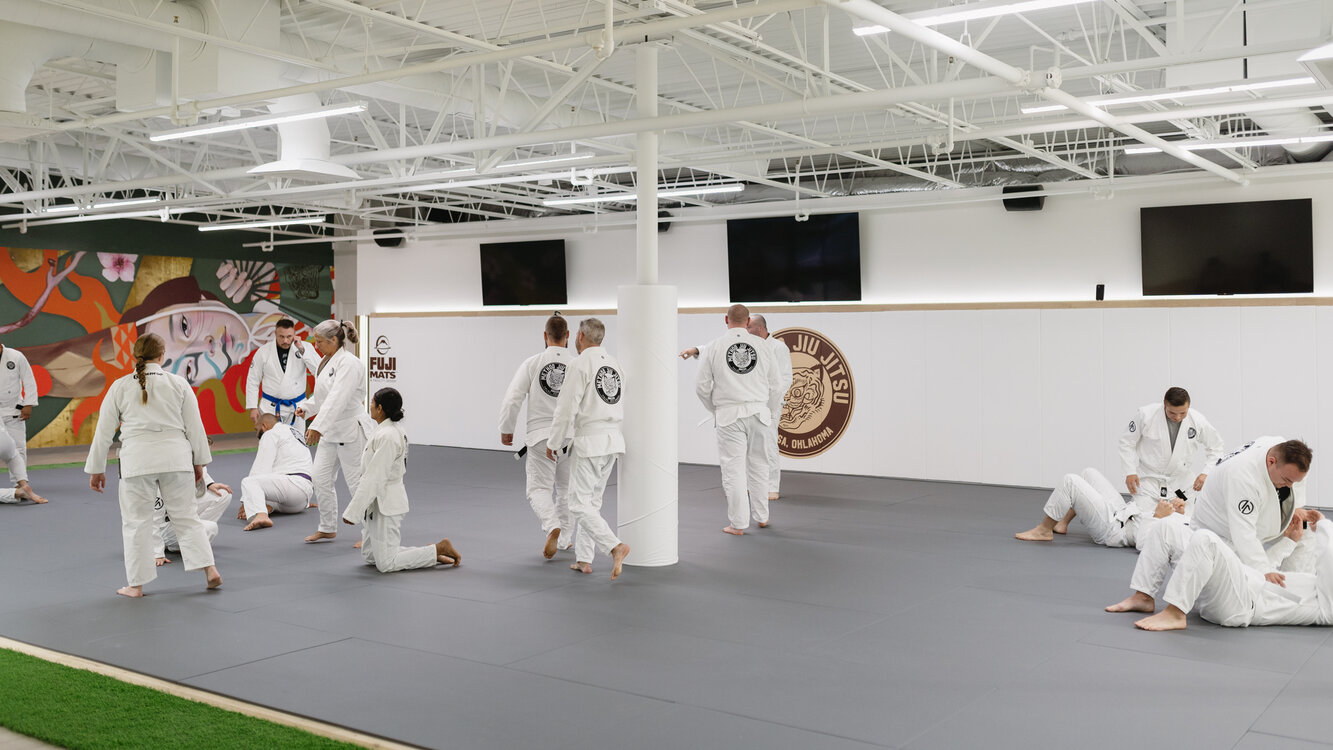
Method Jiu-Jitsu is located at 8011 S Sheridan Rd, Suite B, Tulsa, OK 74133, convenient for students training out of Broken Arrow, Jenks, Bixby, and the rest of the south Tulsa area. Our spring-loaded mats and structured curriculum give students the room to drill these techniques safely, whether you are working your first single leg or refining a competition-level leg lock game.
If you want a deeper dive into the no-gi jiu-jitsu program we run at the gym, check out the full class structure and schedule. Otherwise, come see it in person.
Check our full class schedule or book your free trial class and start building a no-gi game that holds up when the grips come off.
Questions about techniques, gear, or which classes to start with? Call us at (918) 221-9827 — we are happy to help you put together a plan.