Submission Grappling in Tulsa: What to Wear, What to Expect, and How to Get Started with No-Gi
If you've been searching for "submission grappling near me" or "no-gi jiu-jitsu near me" in Tulsa, you've probably already decided you want to try it. What usually stops people isn't motivation — it's not knowing what to actually bring, wear, or expect once they walk through the door. This guide answers the practical questions we hear most often from new students at Method Jiu-Jitsu, so you can show up prepared instead of guessing.
We've already covered what no-gi jiu-jitsu is and why it's worth trying and broken down the core no-gi techniques every student should know. This post picks up where those leave off: the logistics of actually starting, and — if you catch the bug — competing.
What Is Submission Grappling, and Is It the Same as No-Gi Jiu-Jitsu?
Short answer: mostly, yes, with a few nuances worth understanding.
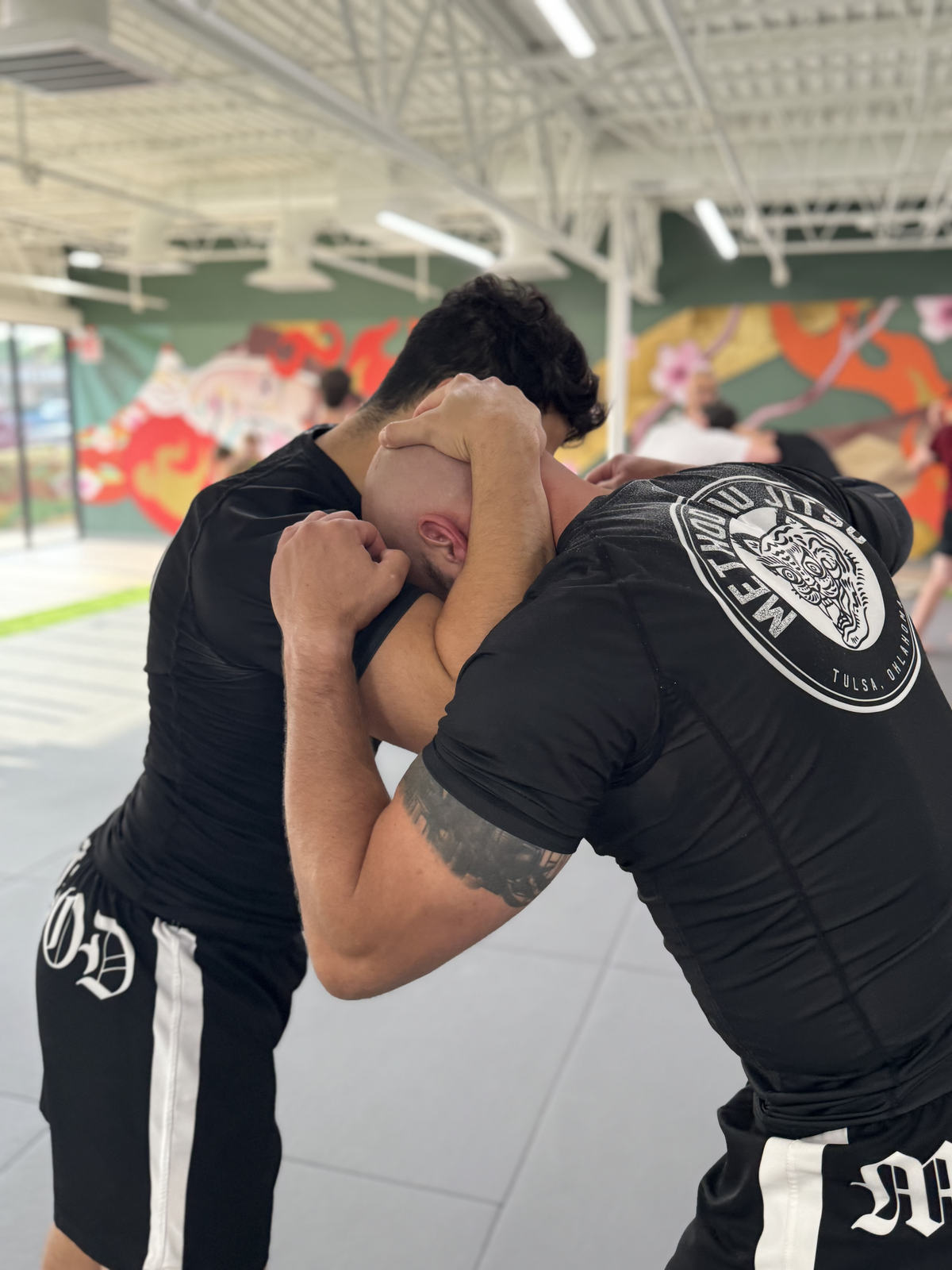
"No-gi jiu-jitsu" and "submission grappling" are often used interchangeably, and in most gyms — including ours — the terms describe the same training experience: grappling without the traditional gi uniform, using rash guards and shorts or spats instead, with the goal of controlling a partner and finishing with a submission (a joint lock or choke) rather than strikes.
The distinction that matters more is between jiu-jitsu-based no-gi and catch wrestling or pure submission wrestling as separate lineages. Jiu-jitsu-based no-gi (what we teach) keeps the same positional hierarchy, guard system, and philosophy as gi jiu-jitsu — you're just training without the fabric grips. Submission wrestling and catch wrestling have their own historical roots and rule sets, with more emphasis on takedowns and less on guard retention.
For a student in Tulsa walking into a gym for the first time, this distinction rarely changes what class looks like. What changes your experience more is the ruleset your gym competes under (typically IBJJF-style no-gi or a submission-only format) and how the coaching staff blends grip-based control from jiu-jitsu with the faster pace of no-gi movement. At Method, our no-gi program is built directly from our gi curriculum, so the concepts you learn carry over in both directions.
What to Wear to No-Gi Class
This is, without question, the most common question we get from first-time students, and for good reason — showing up in the wrong clothing is uncomfortable at best and unsafe at worst.
What to wear:
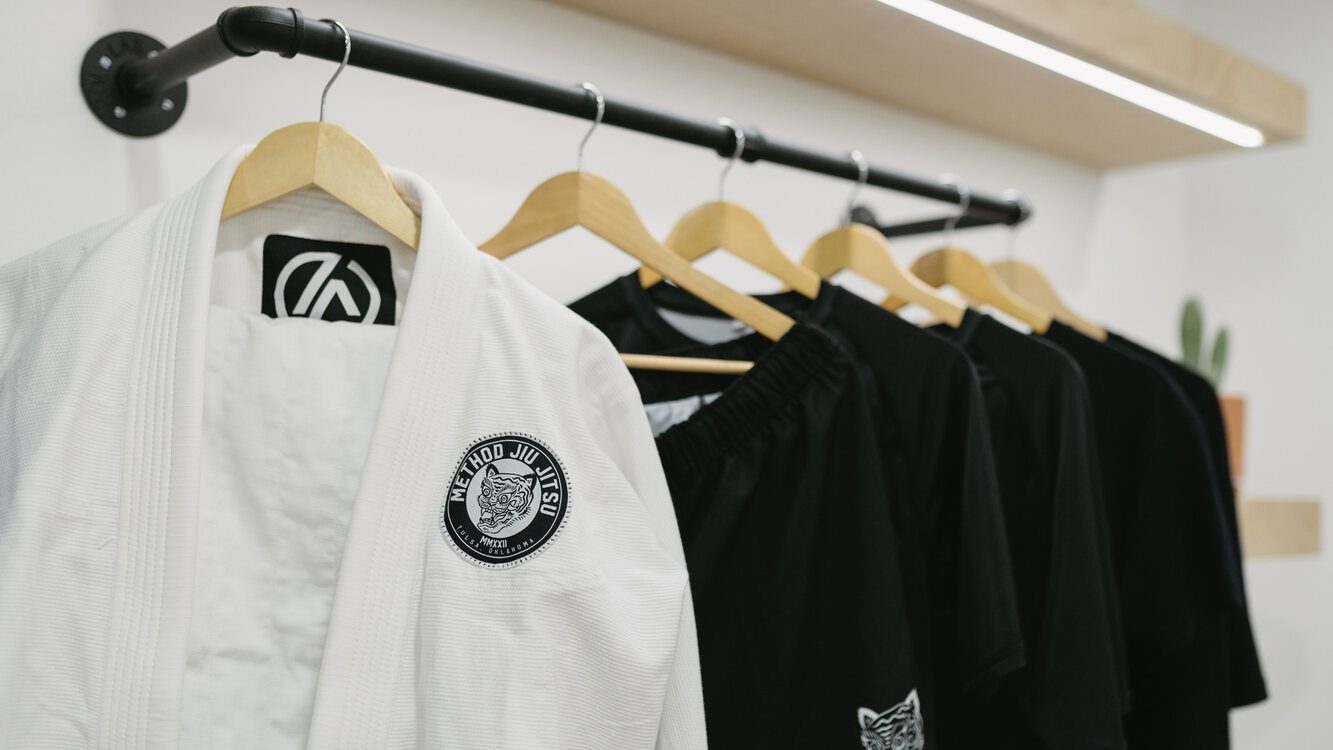
- A rash guard (short or long sleeve) — snug-fitting, moisture-wicking, no zippers or exposed seams that could catch a finger or toe
- Grappling shorts or spats — again, snug and pocketless; regular athletic shorts with pockets or loose basketball shorts are a common way to jam a finger
- Nothing on your feet — grappling is done barefoot; bring sandals or flip-flops for walking to and from the mat
What not to wear:
- Cotton t-shirts (they stretch, tear, and get uncomfortably damp)
- Basketball shorts, athletic shorts with pockets, or anything with zippers, buttons, or drawstrings with metal tips
- Jewelry of any kind — rings and necklaces are a real injury risk to you and your partner
If you're coming to your first class and don't own any of this yet, don't let gear stop you from showing up. Most gyms, including ours, will let a brand-new student train in a plain t-shirt and athletic shorts for the first session or two while you decide if you want to stick with it. You can worry about the right gear once you know you're coming back.
Do You Need Gi Experience Before Starting No-Gi?
No. This is one of the most debated questions among BJJ practitioners online, and reasonable coaches land on different sides of it, but here's our take after years of teaching both.
Starting with no-gi first is completely fine if:
- Your primary goal is fitness, self-defense, or a faster on-ramp to live grappling
- You're planning to eventually train MMA or cross into wrestling
- The no-gi schedule fits your life better than the gi schedule
Starting with gi first (or training both from day one) helps if:
- You want the most well-rounded technical foundation — the gi forces you to be precise with grips and control, which translates directly to better no-gi control
- You're aiming to compete in jiu-jitsu specifically, since most competitors eventually train and compete in both
The honest answer is that neither path is wrong, and you don't have to choose permanently. Most of our students end up training both once they're a few months in, because the two disciplines make each other better — gi builds precision and grip strength, no-gi builds speed and scrambling ability. If you're brand new to grappling in general, our beginner program is designed to onboard you regardless of which format you start with.
What Does a First No-Gi Class Actually Look Like?
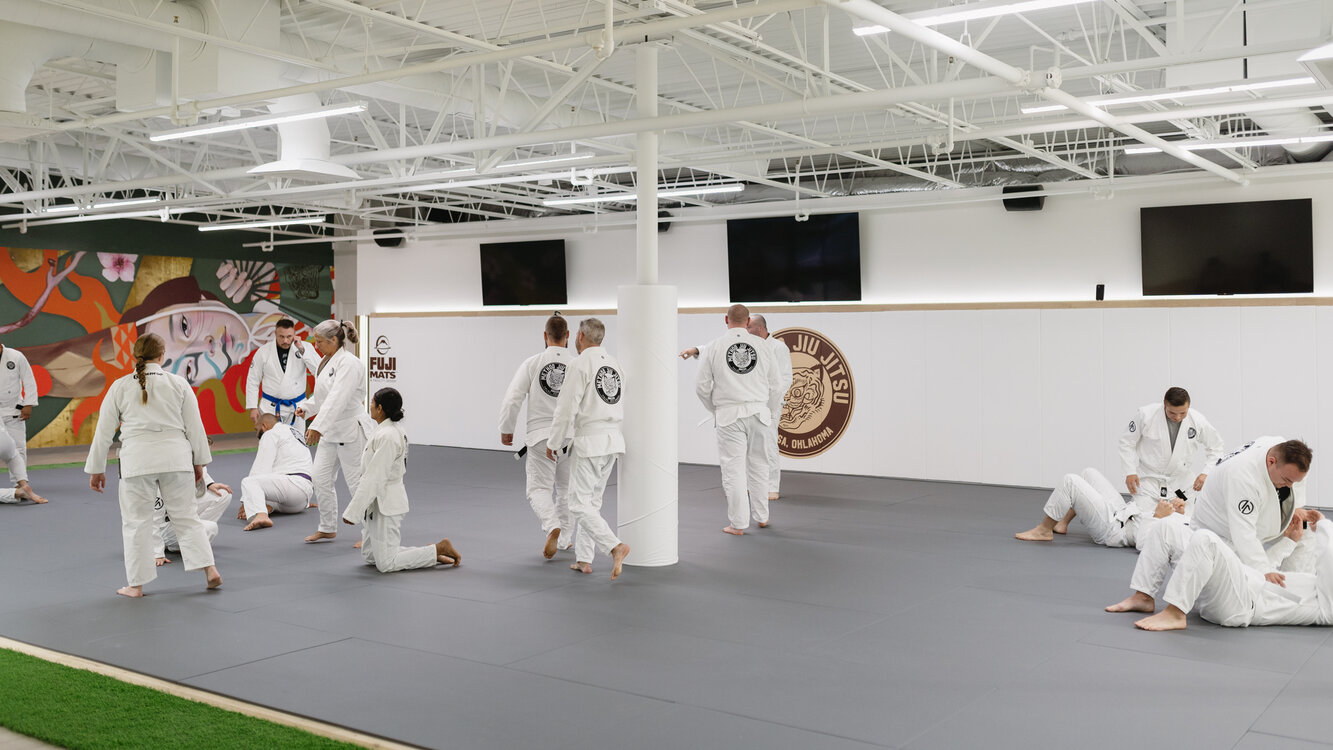
A typical no-gi class at Method Jiu-Jitsu runs about 60 minutes and follows a predictable structure, so you're never wondering what's coming next:
- Warm-up (10 minutes) — movement drills specific to grappling: shrimping, bridging, rolling, basic takedown footwork
- Technique instruction (20–25 minutes) — the coach demonstrates a position or sequence, then the class drills it in pairs with progressively increasing resistance
- Live training / "rolling" (15–20 minutes) — controlled sparring where you apply what you just drilled, scaled to your experience level; as a beginner, you'll typically roll with more experienced partners who dial their intensity way down
- Cool-down and Q&A (5 minutes)
Nobody expects a first-day student to keep up technically. Coaches and training partners are actively looking out for beginners, and most gyms — ours included — pair new students with patient, experienced partners for exactly this reason. The goal of your first few classes is exposure, not performance.
How to Prepare for Your First No-Gi Competition
Once you've been training for a while, competing is a natural next step, and it's worth demystifying since the idea of stepping onto a competition mat is intimidating for almost everyone the first time.
In the weeks leading up to the event:
- Train consistently, don't cram. A sudden spike in training volume the week before a tournament increases injury risk without meaningfully improving your performance. Steady training in the 6–8 weeks prior matters far more than the final week.
- Know your weight class and division rules in advance. No-gi tournaments typically have gi and no-gi divisions run separately, and weight classes vary by organization — confirm your bracket well before competition day so there are no surprises at check-in.
- Drill your gameplan, not just techniques. Pick two or three sequences you're comfortable with (a takedown, a guard pass, a submission chain) and drill them specifically rather than trying to get better at everything at once.
- Dial in nutrition and hydration in the days before, not the morning of. Whole foods, consistent hydration, and enough sleep the two nights prior matter more than anything you eat the morning of the event.
What to pack the night before:
- No-gi uniform (rash guard, shorts/spats) — pack a backup set in case of a same-day double
- Mouthguard, if you use one
- Water bottle and simple snacks
- Flip-flops, a towel, and a change of clothes for after
On the day: Get to the venue with more time than you think you need. Rushing to check in, find your mat, and warm up adds unnecessary stress on top of normal competition nerves. If you've never competed before, tell your coach — most gyms will pair first-time competitors with a corner coach who's been through it dozens of times and can walk you through the whole day.
If competing is a goal, our competitor-focused program is built specifically around tournament preparation, from gameplan development to the mental side of stepping onto the mat for the first time.
Frequently Asked Questions
Is no-gi jiu-jitsu the same thing as submission grappling? For nearly all practical purposes at the gym level, yes. Both describe grappling without a gi, focused on positional control and submissions rather than striking. The main difference shows up at the competitive level, where some submission grappling formats use different rulesets or emphasize takedowns and scrambling more than traditional jiu-jitsu-based no-gi does.
What should a total beginner wear to their first no-gi class? A snug-fitting rash guard and pocketless grappling shorts or spats — no jewelry, no loose cotton clothing, no shoes on the mat. If you don't own gear yet, most gyms will let you train in a plain t-shirt and athletic shorts for your first class or two.
Do I need to be in shape before I start no-gi jiu-jitsu? No. No-gi training builds the conditioning most people are looking for — you don't need to arrive in shape, you get in shape by training consistently. Classes are structured so beginners train at a pace matched to their experience level, not thrown into full-speed sparring on day one.
How soon can I compete after starting no-gi? There's no fixed timeline, but most coaches recommend at least three to six months of consistent training before your first tournament, so you have a working knowledge of positions, escapes, and at least a couple of go-to submissions. Your coach can help you judge readiness based on how you're training, not just the calendar.
Ready to Try No-Gi for Yourself?
The best way to answer these questions for yourself is to get on the mats. Method Jiu-Jitsu offers a free trial class for anyone curious about no-gi or submission grappling in Tulsa, no gear or experience required. Come see what a beginner-friendly, coach-led environment feels like firsthand.
Book your free trial class today and we'll see you on the mats.