Deep half guard is one of those positions that changes the way you see jiu-jitsu. You are underneath your opponent, buried beneath their weight, and somehow you are the one in control. It is counterintuitive, and that is exactly what makes it effective.
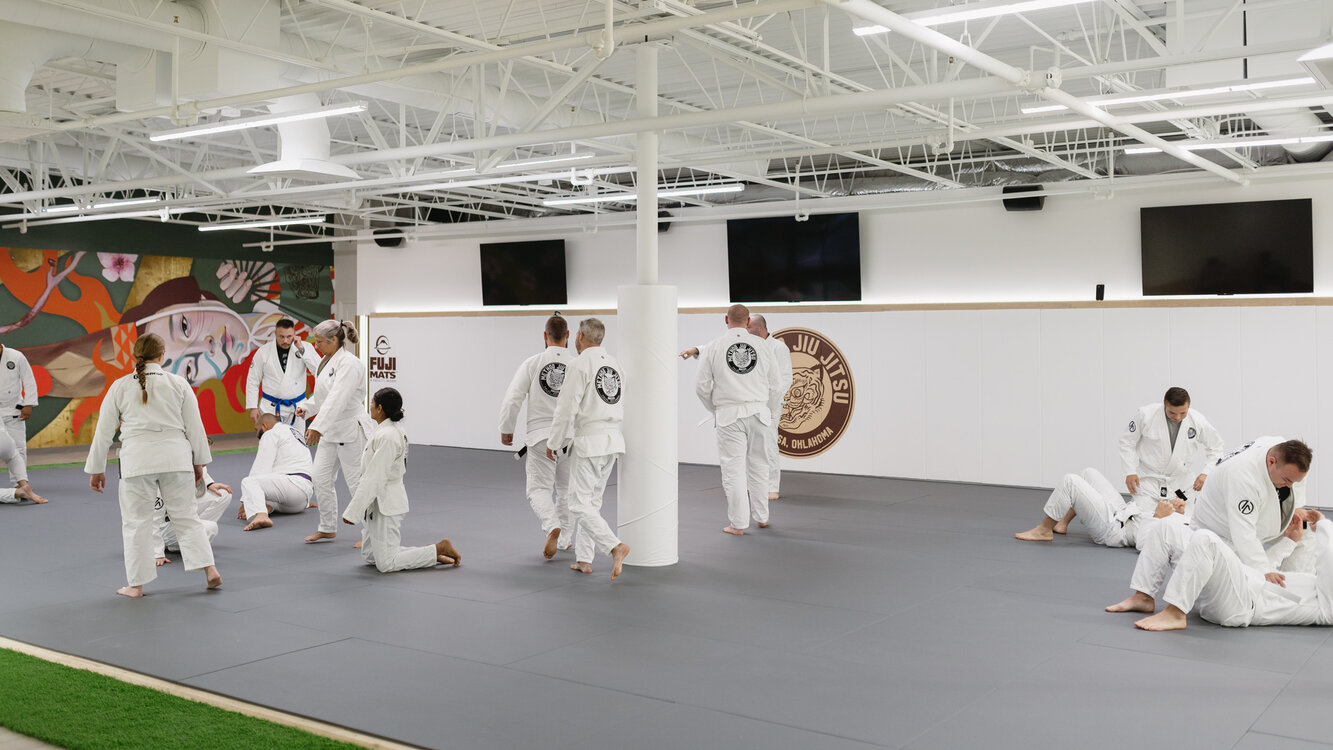
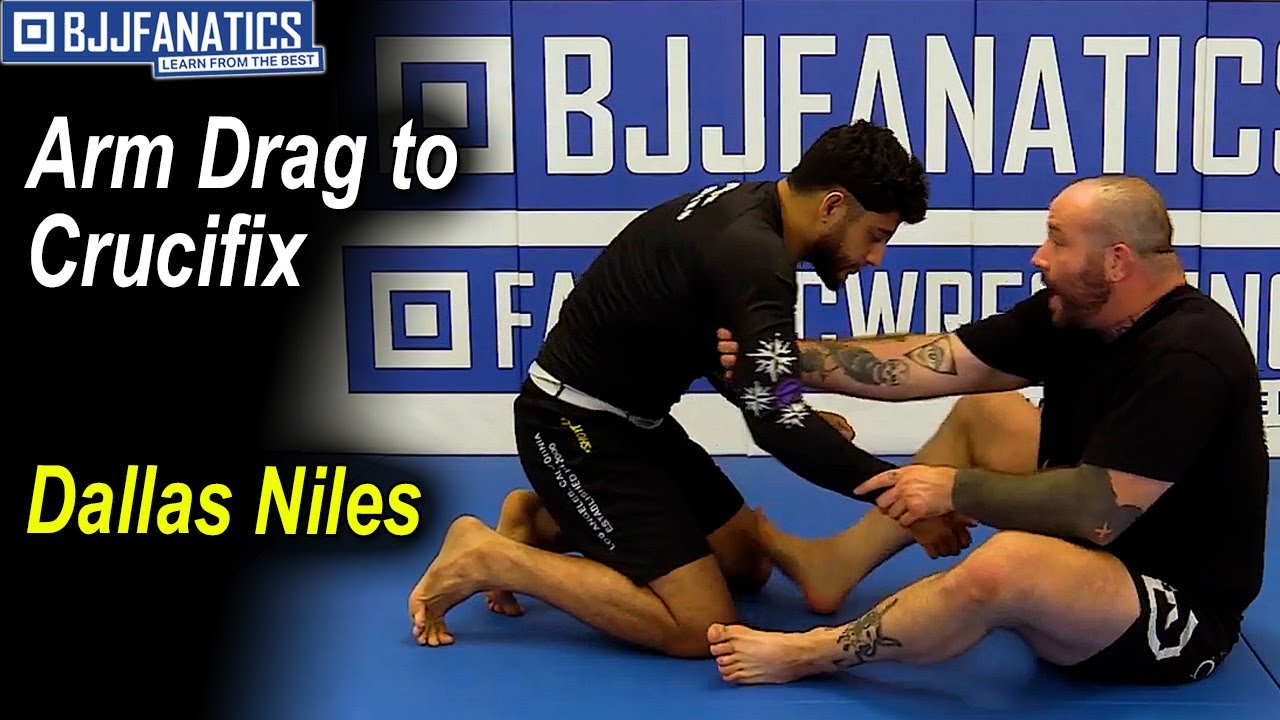
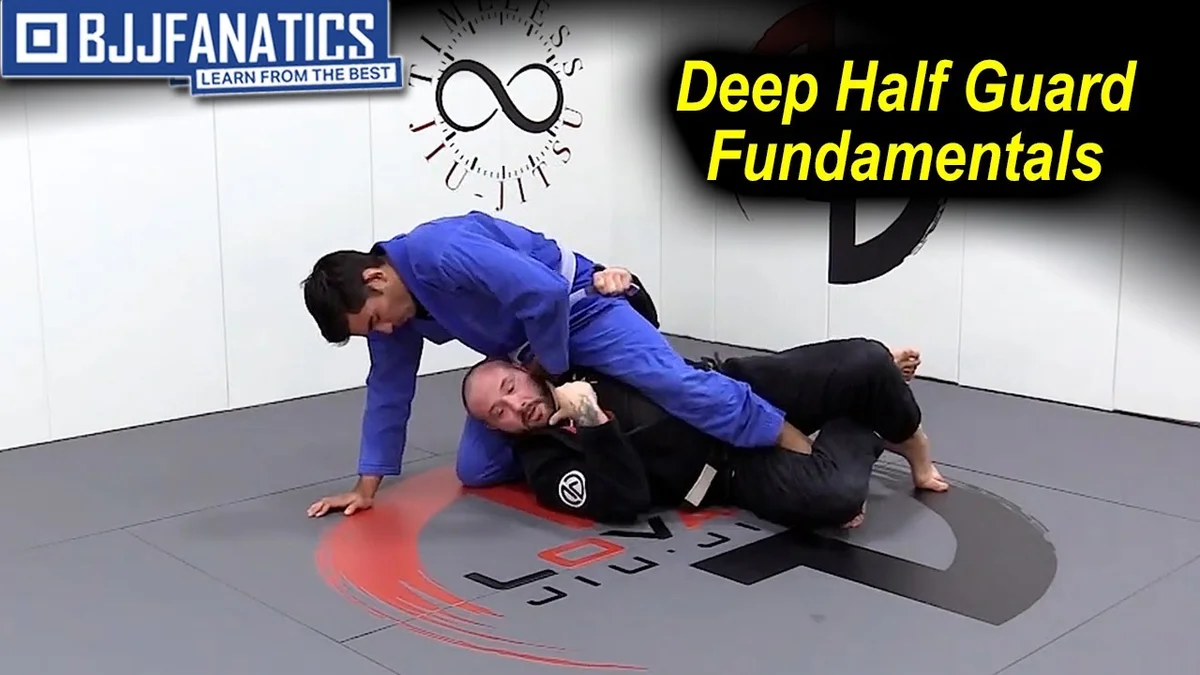
Dallas Niles built his deep half guard system over years of competition and daily training on the mats at Method Jiu-Jitsu in Tulsa. His instructional with BJJ Fanatics, The Deepest Half, lays out the entire system from entries to finishes. The clip below covers the fundamentals that make everything else work.
What Is Deep Half Guard?
Standard half guard puts you on your side with one of your opponent's legs trapped between yours. Deep half guard takes that a step further. You slide your entire body underneath your opponent so your head is near their hip on the trapped-leg side, your underhook is deep around their far thigh, and their weight is loaded directly on top of you.
It sounds like a terrible place to be. That is the point. Your opponent feels dominant because they are on top. But their base is compromised because their weight is distributed unevenly, and you have direct access to their hips and legs for sweeps and back takes.
Deep half guard rewards the technical grappler who prefers leverage over athleticism. If you are smaller, older, or simply prefer efficient movement over explosive scrambles, this position was built for you.
Why Dallas Niles Teaches Deep Half Guard at Method
At Method Jiu-Jitsu, the curriculum is built around positions and concepts that work regardless of your size, age, or athletic background. Deep half guard fits that philosophy perfectly.
Dallas explains in the video that deep half guard fundamentals come down to three things: getting underneath your opponent's center of gravity, controlling their far leg, and using your frames to manage distance. None of that requires speed or strength. It requires understanding where weight sits and how to redirect it.
This is the same principle behind every program at Method, from the adults BJJ classes to the competition training. Techniques that rely on leverage scale with you as you age. Techniques that rely on athleticism do not.
Deep Half Guard Entries: How to Get There
Getting into deep half guard is half the battle. Most beginners struggle with entries because they try to force their way underneath instead of using their opponent's pressure to create the opening.
The most reliable entries start from standard half guard. When your opponent applies shoulder pressure to flatten you out, that forward weight commitment is exactly what you need. You swim your inside arm to an underhook on their far thigh, hip-escape your body underneath them, and settle into the position with your head near their hip.
Other common entries include:
- From knee shield half guard when your opponent collapses your frames and drives forward
- From closed guard when a stack pass attempt lets you transition underneath
- From single-leg attempts when your opponent sprawls and you reguard to deep half instead of fighting for the takedown
Dallas covers these entry patterns in detail during no-gi classes at Method because deep half guard works equally well with and without the gi. The grips change, but the body positioning stays the same.
The Sweep Game: Turning Bottom Position into Dominant Position
Deep half guard is not a place to rest. It is a launching pad for sweeps that put you on top in side control, mount, or standing with a clear advantage.
The fundamental sweep Dallas demonstrates in the video involves loading your opponent's weight onto your chest, using your underhook to block their far leg, and elevating with your hips to tip them over your body. When done correctly, you end up in top position without spending any significant energy.
Other high-percentage sweeps from deep half include:
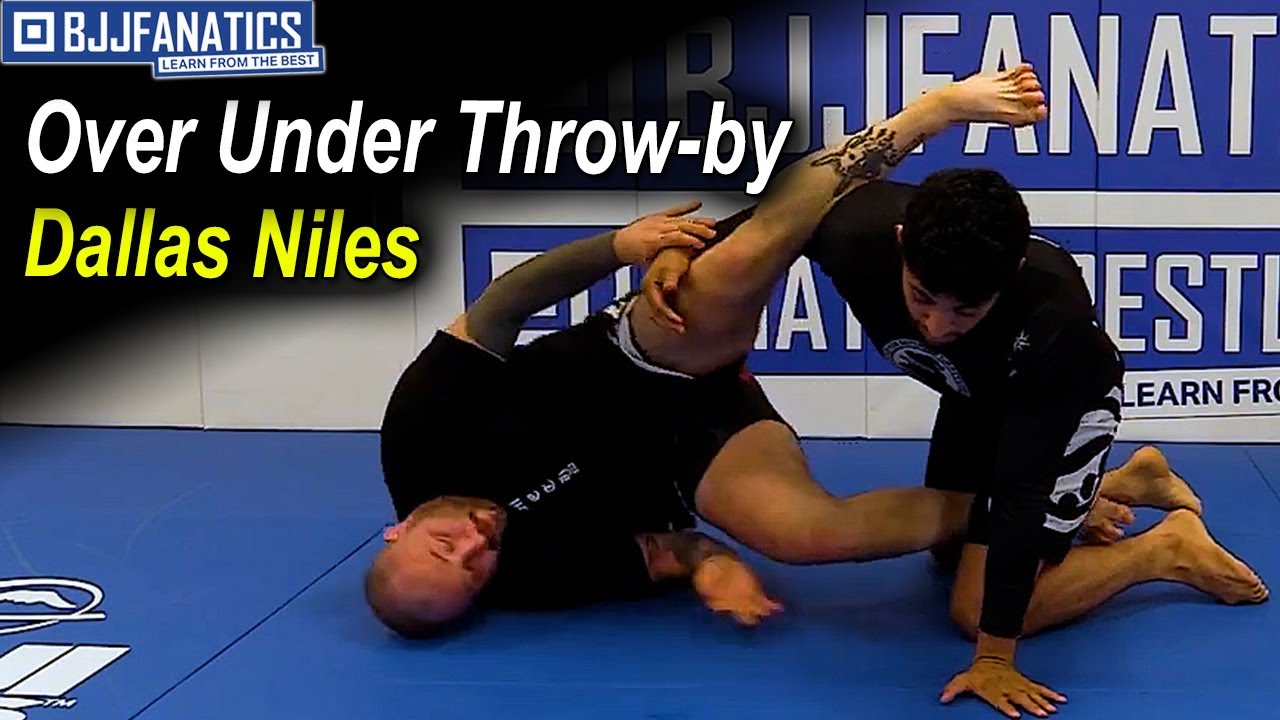
- The Homer Simpson sweep where you come out the back door and take top position on the far side
- The waiter sweep using your legs to elevate and dump your opponent
- Back takes from deep half when your opponent posts too wide and gives you access to their back
Every one of these options is drilled regularly at Method. The class schedule includes dedicated drilling sessions where students can spend focused time on positional cycles like these.
Common Mistakes and How to Fix Them
Deep half guard looks simple in instructional videos. On the mat, beginners run into the same problems repeatedly. Here are the most common ones and how to correct them.
Getting flattened out. If your opponent crossfaces you and pins your shoulders to the mat, your deep half guard is dead. The fix is staying on your side with active frames. Your free hand should always be blocking their hip or bicep to prevent the crossface.
Losing the underhook. Your underhook on the far thigh is the anchor of the entire position. If you lose it, you lose control of their base. Grip deep, wrap tight, and keep your elbow glued to your body.
Forgetting to control the near leg. Your legs need to stay active on their trapped leg. If they free that leg, they pass. Use a lockdown, a knee shield, or simply keep your knees pinched to maintain the trap.
Trying to sweep without loading weight. The sweeps only work when your opponent's weight is on you. If you try to elevate when they are posted wide, you will just push them backward. Wait for the pressure, then redirect it.
These corrections are exactly the kind of detail that separates a casual understanding from real competence. At Method, beginners get hands-on coaching through every repetition so these habits develop from day one.
Deep Half Guard for Competition and Self-Defense
In competition, deep half guard is a proven weapon at every level of the sport. Bernardo Faria built an entire IBJJF championship career around it. Craig Jones uses it consistently in the highest levels of submission grappling. It works against bigger, stronger, more athletic opponents because it neutralizes their physical advantages.
For self-defense, deep half guard provides a path off your back that does not require you to bench press someone off of you. If you end up on the ground with a larger person on top, the ability to get underneath their center of gravity and sweep them is a practical, repeatable skill that does not degrade under stress.
This dual purpose is part of why Dallas includes it in the regular curriculum at Method. Whether you are training for your first tournament or simply building confidence on the mat, deep half guard gives you a tool that works everywhere.
How Deep Half Guard Fits the Bigger Picture
Deep half guard is not an isolated position. It connects to your entire bottom game. A strong deep half game makes your standard half guard more dangerous because your opponent has to respect the threat of you diving underneath. It makes your closed guard more threatening because opponents know that passing attempts can transition straight into your deep half entries.
At Method Jiu-Jitsu in Tulsa, the instruction is designed to build these connections deliberately. You do not learn techniques in isolation. You learn systems, and deep half guard is a critical node in the guard retention and sweeping system that Dallas has developed over his career.
If you are interested in adding deep half guard to your game or starting your jiu-jitsu journey entirely, book a free trial class and see how the instruction at Method is structured around making every student better, regardless of where they start.
Frequently Asked Questions
What is deep half guard in BJJ?
Deep half guard is a bottom position where you slide underneath your opponent from standard half guard, controlling their far leg with an underhook while their weight loads on top of you. Despite appearing disadvantageous, it provides powerful sweep and back-take opportunities.
Is deep half guard good for beginners?
Deep half guard is accessible for beginners because it relies on body positioning and leverage rather than athleticism. At Method Jiu-Jitsu in Tulsa, beginners learn the fundamentals of guard play including deep half entries and sweeps as part of the structured curriculum.
Does deep half guard work in no-gi?
Deep half guard is highly effective in no-gi jiu-jitsu. The position relies on body positioning and underhooks rather than gi grips, making it one of the most transferable guards between gi and no-gi training.
What are the best sweeps from deep half guard?
The most reliable sweeps include the basic hip elevation sweep, the Homer Simpson sweep, and the waiter sweep. Dallas Niles covers the fundamental sweep mechanics in detail in his BJJ Fanatics instructional, The Deepest Half.
How do I enter deep half guard?
The most common entry is from standard half guard when your opponent drives forward with shoulder pressure. You swim an underhook to their far thigh, hip-escape underneath, and settle your head near their hip. Entries also exist from knee shield, closed guard, and failed single-leg attempts.
Who is Dallas Niles?
Dallas Niles is a BJJ black belt under Rafael Lovato Jr., the owner and head instructor at Method Jiu-Jitsu in Tulsa, and the creator of the The Deepest Half and The Unstoppable Mount instructional series with BJJ Fanatics.